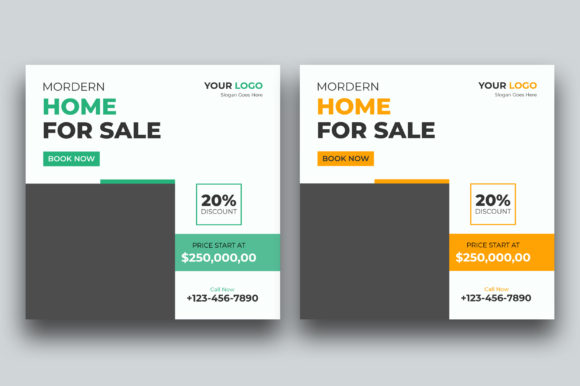
Real Estate Social Media Post: Engage More Audience with Professional Design
In the fast-paced world of real estate, standing out on social media is essential. A well-crafted Real Estate Social Media Post can make a significant difference in attracting potential clients, building brand recognition, and driving engagement. With platforms like Facebook and Instagram dominating user attention, creating visually appealing and professional content has never been more important.
For real estate professionals, social media is not just a marketing tool—it's a powerful way to connect with audiences, showcase properties, and establish credibility. A thoughtfully designed post can capture interest, convey professionalism, and reflect the unique identity of your brand. Whether you're sharing listings, market insights, or client testimonials, your content should be both informative and visually compelling.
Why Real Estate Social Media Post Matters Today
The way people search for homes has evolved significantly. More buyers and sellers now turn to social media to find real estate agents, explore neighborhoods, and stay updated on market trends. This shift means that real estate professionals must adapt their strategies to meet users where they are most active.
A strong Real Estate Social Media Post helps build trust and visibility. It allows you to tell your story, highlight your expertise, and create a sense of community around your brand. By consistently posting high-quality content, you can keep your audience engaged and encourage them to interact with your posts, share your content, and ultimately become loyal clients.
Moreover, social media algorithms favor content that generates engagement. Posts that spark comments, likes, and shares are more likely to reach a wider audience. This makes it crucial to design posts that are not only visually attractive but also relevant and valuable to your target audience.
How to Create Effective Real Estate Social Media Posts
Creating an effective Real Estate Social Media Post starts with understanding your audience. Who are your ideal clients? What are their interests, pain points, and preferences? Tailoring your content to these insights ensures that your message resonates and drives meaningful interactions.
Visuals play a key role in capturing attention. High-resolution images, clean layouts, and consistent branding help create a professional appearance. Using templates designed for platforms like Facebook and Instagram can streamline the process, allowing you to focus on messaging rather than design details.
One practical approach is to use customizable templates that offer flexibility in editing. These templates often include features like RGB color support, 300 DPI resolution, and free fonts, ensuring that your posts look polished and professional. They also allow for easy adjustments to text, colors, and images, making it simple to update content as needed.
Staying Ahead with Modern Trends
As digital habits continue to evolve, so do the expectations of social media users. Today’s audiences expect content that is not only visually appealing but also informative and interactive. This means real estate professionals need to go beyond static images and embrace dynamic formats such as carousels, videos, and stories.
Engagement is no longer just about likes and shares—it’s about fostering conversations. Encouraging followers to ask questions, leave comments, or participate in polls can deepen connections and build a loyal following. A well-designed Real Estate Social Media Post can serve as a foundation for these interactions, making it easier to maintain an active and engaged audience.
Additionally, the rise of mobile-first browsing means that content must be optimized for smaller screens. Posts that are clear, concise, and easy to read on a phone are more likely to capture attention and drive action. This highlights the importance of thoughtful design and layout when creating social media content.
Practical Implications for Real Estate Professionals
For real estate agents and agencies, leveraging social media effectively can lead to increased visibility, better client relationships, and higher conversion rates. A consistent presence on platforms like Instagram and Facebook helps reinforce brand identity and keeps your services top of mind for potential clients.
Using professional design templates can save time and ensure that your content meets industry standards. These tools allow for quick edits and updates, making it easier to respond to market changes, new listings, or client inquiries. This efficiency is especially valuable in a competitive industry where timing and consistency matter.
Another benefit of using structured templates is the ability to maintain brand coherence across all platforms. Consistent use of colors, fonts, and visual elements helps build recognition and trust. This is particularly important for real estate professionals who want to establish themselves as reliable and professional experts in their field.
Real-World Examples and Recommendations
Consider the following examples of how real estate professionals are using social media to engage their audiences:
- Listing Highlights: Sharing high-quality photos of properties with brief, engaging descriptions can attract potential buyers. Adding location tags and call-to-action buttons encourages immediate interaction.
- Market Insights: Posting regular updates on local market trends, pricing data, and neighborhood information positions you as an expert. These posts can generate interest and drive traffic to your website or contact page.
- Client Testimonials: Featuring satisfied clients through quotes, videos, or before-and-after transformations builds trust and showcases your track record of success.
When designing your own Real Estate Social Media Post, focus on clarity, relevance, and visual appeal. Use a mix of content types—such as images, infographics, and short videos—to keep your audience engaged. Always include a clear call to action, whether it's to schedule a consultation, view a listing, or follow your page for updates.
Finally, remember that social media is a long-term strategy. Building a strong online presence requires consistency, patience, and a willingness to adapt. By investing in quality content and professional design, you can create a lasting impact and grow your real estate business effectively.