Social Media Post for Food Menu Design: A Practical Guide for Business Owners and Creators
Creating effective social media posts for food menu design is essential for businesses looking to attract customers and stand out online. Whether you're a small café, a restaurant, or a food blogger, having a well-designed social media post can make a big difference in how your brand is perceived. But with so many options available, it's easy to make mistakes that can hurt your results. Understanding what to look for and how to avoid common pitfalls will help you create engaging, professional content that resonates with your audience.
What Is Social Media Post for Food Menu Design?
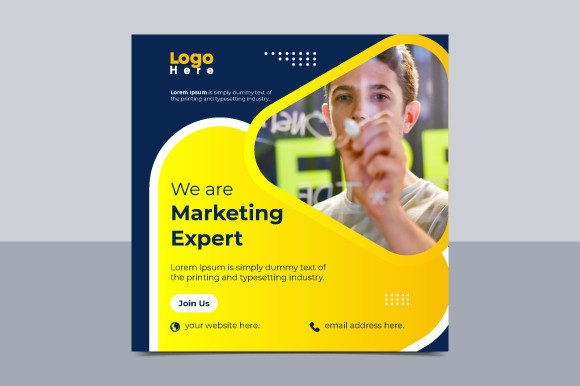
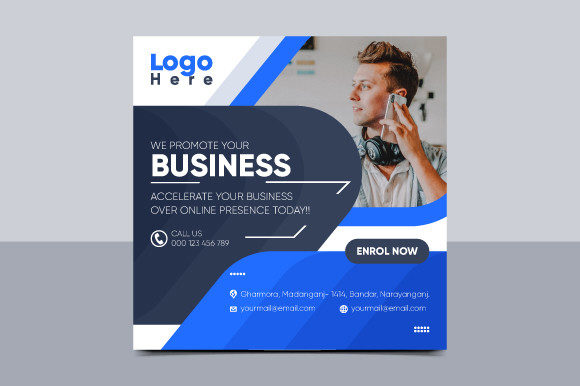
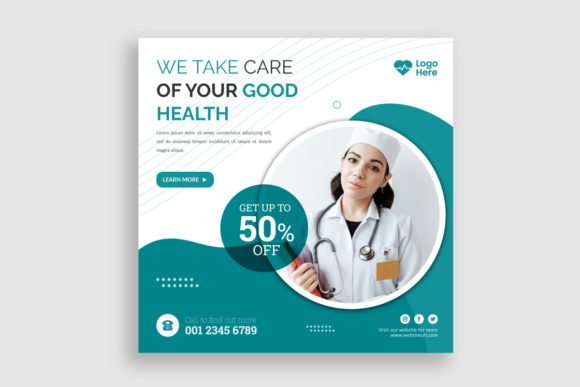
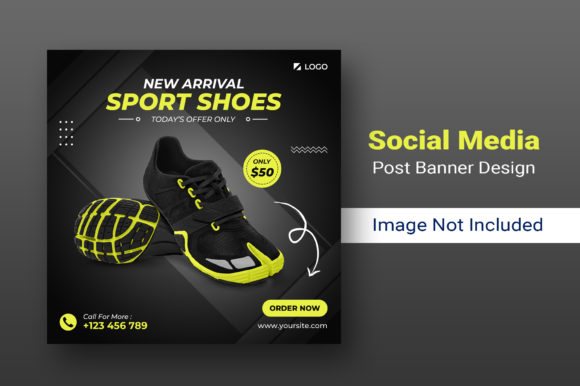
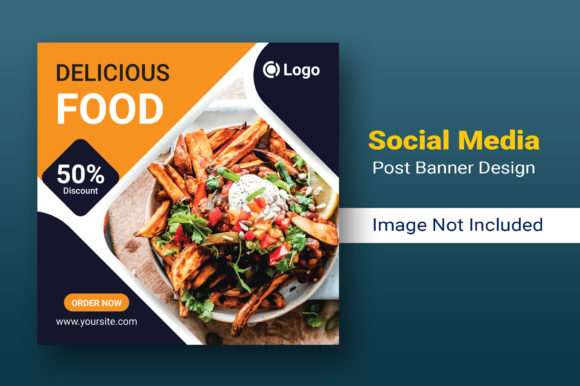
A Social Media Post for Food Menu Design is a visual representation of your menu tailored for platforms like Facebook, Instagram, Twitter, and LinkedIn. These posts are designed to showcase your offerings in an appealing way, making it easier for potential customers to engage with your brand. They often include high-resolution images, clear text, and eye-catching colors to grab attention and encourage interaction.
For businesses, these posts serve as a marketing tool, helping to promote new dishes, special offers, or seasonal menus. For creators and designers, they offer a way to demonstrate their skills and provide value to clients who need professional designs.
Common Mistakes When Using Social Media Post for Food Menu Design
Many people rush into downloading or purchasing a template without considering its suitability for their needs. This can lead to several issues, including poor usability, low quality, or mismatched aesthetics. Here are some common mistakes to watch out for:
- Ignoring the Format: Not all templates are created equal. Some may be optimized for one platform but not others. For example, a design that works well on Instagram might not fit the dimensions of a Facebook post, leading to distorted images or missing text.
- Overlooking Editability: A fully editable template allows you to customize fonts, colors, and layouts. If a template is not easily editable, you may find yourself stuck with a design that doesn’t align with your brand identity.
- Using Low-Quality Images: High-resolution images are crucial for maintaining professionalism. Blurry or pixelated visuals can make your brand look untrustworthy, especially if you’re targeting a premium audience.
- Misusing Free Fonts: While free fonts are a great resource, using too many different ones can make your design look cluttered. It’s best to stick to a few consistent fonts that match your brand’s style.
How These Mistakes Can Affect Your Results
Failing to address these issues can have real consequences. Poorly designed social media posts may fail to capture attention, leading to lower engagement and fewer conversions. If your menu isn’t clear or visually appealing, customers may be less likely to order from you or share your content.
Additionally, using a template that’s not well-organized can slow down your workflow. You might spend extra time trying to adjust elements that weren’t meant to be changed, which can be frustrating and inefficient. In some cases, you could end up paying more for a design that doesn’t meet your expectations.
Practical Advice to Avoid Common Pitfalls
To ensure your Social Media Post for Food Menu Design is effective, follow these practical tips:
- Check the File Format: Make sure the template you choose supports the file types you need. Eps files are ideal for scalable graphics, while PNG or JPEG formats are better for web use.
- Verify Editability: Before purchasing or downloading a template, check if it includes editable layers. This allows you to make changes without compromising the design’s integrity.
- Use High-Resolution Images: Always opt for high-quality images that look sharp on all devices. Even if the image isn’t included in the template, you should know where to source them.
- Stick to a Consistent Style: Choose a color scheme and font style that reflects your brand. Avoid mixing too many different elements that could confuse your audience.
What to Check Before Making a Decision
Before finalizing your choice of Social Media Post for Food Menu Design, take the time to evaluate the following factors:
- Platform Compatibility: Ensure the design is suitable for the platforms you plan to use. Each platform has specific size requirements, so a one-size-fits-all approach may not work.
- Customization Options: Look for templates that allow you to modify text, colors, and layout without technical difficulties.
- Support and Documentation: Some templates come with instructions or customer support, which can be invaluable if you run into issues.
- Cost vs. Value: Don’t just go for the cheapest option. Consider the long-term benefits of a high-quality design that saves you time and effort.
Realistic Examples and Better Approaches
Let’s say you’re a small café owner looking to promote a new lunch special. Instead of using a generic template, choose one that’s tailored for food photography and menu display. Use a clean layout with bold headings and high-quality images of your dishes. Add a call-to-action, such as “Order Now” or “Limited Time Only,” to encourage immediate engagement.
If you’re a designer offering templates, focus on creating well-organized, fully editable files that cater to different industries. Include examples of how your design can be used across platforms, and provide clear instructions for customization. This builds trust and shows that you understand your audience’s needs.
Final Thoughts
Investing time and effort into your Social Media Post for Food Menu Design can pay off in the form of increased visibility, engagement, and customer loyalty. By avoiding common mistakes and focusing on quality, you’ll create content that not only looks good but also performs well. Whether you’re a business owner or a creative professional, the right design can make all the difference in how your brand is received online.