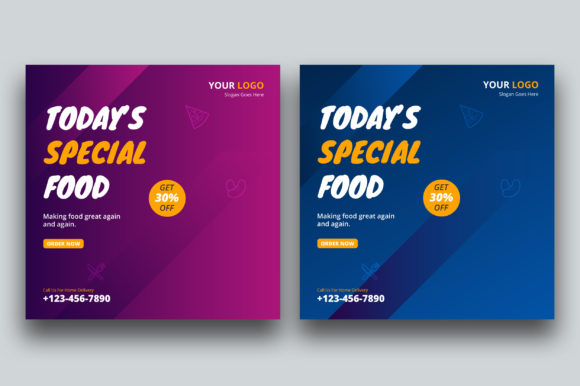
Food Social Media Post: Boost Engagement and Brand Visibility
In today's digital age, social media has become a powerful tool for businesses, especially in the food industry. A well-crafted Food Social Media Post can significantly enhance brand visibility, drive customer engagement, and ultimately boost sales. Whether you're a restaurant, food blogger, or a food product manufacturer, understanding how to create effective social media content is essential for success.
What Is a Food Social Media Post?
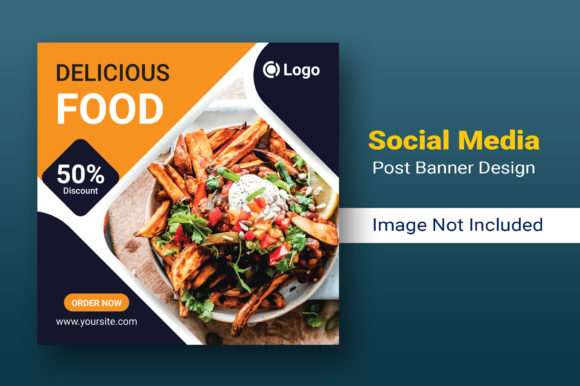
A Food Social Media Post refers to any content shared on platforms like Facebook, Instagram, or Twitter that showcases food-related imagery, recipes, dining experiences, or promotional offers. These posts are designed to capture the attention of your audience, evoke emotions, and encourage interaction. They often include high-quality images, engaging captions, and relevant hashtags to increase reach and engagement.
Creating a Food Social Media Post involves more than just posting pictures of food. It requires thoughtful planning, an understanding of your target audience, and a consistent brand identity. A professional design template can help streamline this process, making it easier to maintain visual consistency across all platforms.
Why Consider a Food Social Media Post?
There are several reasons why someone might be interested in creating Food Social Media Posts. For businesses, these posts serve as a way to showcase their offerings, build brand awareness, and connect with potential customers. For individuals, such as food bloggers or chefs, they provide an opportunity to share their passion, gain followers, and even monetize their content.
Additionally, Food Social Media Posts can help establish credibility and trust. When done effectively, they demonstrate professionalism, creativity, and a commitment to quality. This can be particularly important for new businesses looking to make a strong first impression.
Benefits of Using a Professional Design Template
One of the key advantages of using a professional design template for your Food Social Media Post is the ability to maintain a cohesive brand identity. Templates often come with pre-designed layouts, color schemes, and typography that align with your brand’s visual style. This ensures that all your social media content looks uniform and polished, which can enhance your brand’s overall image.
Another benefit is the ease of customization. With templates, you can quickly edit text, add images, and adjust colors without needing advanced design skills. This makes it easier for non-designers to create visually appealing posts that resonate with their audience.
Moreover, professional templates are usually optimized for different platforms. They are designed to meet the technical requirements of each platform, such as the 1080x1080 px resolution for Instagram or the 300 DPI resolution for high-quality prints. This ensures that your content looks great on any device or medium.
Considerations and Tradeoffs
While using a professional design template can be beneficial, there are some considerations to keep in mind. One of the main tradeoffs is the potential limitation in creative freedom. Some templates may have fixed layouts or color schemes that may not fully align with your brand’s unique identity. In such cases, you may need to invest time in finding a template that offers more flexibility.
Another consideration is the cost. While many templates are available for free, premium templates often come with additional features, such as advanced editing tools, exclusive fonts, or support from the designer. Depending on your budget and needs, you may need to weigh the benefits of a free versus a paid template.
It’s also important to remember that a template is just a starting point. The success of your Food Social Media Post still depends on the quality of your content, the relevance of your message, and your ability to engage with your audience. A well-designed post with poor content will not yield the desired results.
When Is It a Strong Fit?
A Food Social Media Post is a strong fit for businesses and individuals who want to build a consistent online presence and engage with their audience. It is particularly effective for those who are looking to increase brand awareness, attract new customers, or promote special offers and events.
For example, a local restaurant can use Food Social Media Posts to highlight daily specials, showcase their menu items, or share behind-the-scenes content. A food blogger can use these posts to share recipes, cooking tips, or personal stories that resonate with their audience.
Additionally, if you’re targeting a specific demographic, such as health-conscious consumers or food enthusiasts, a well-designed Food Social Media Post can help you connect with them more effectively. By focusing on the right visuals and messaging, you can create content that speaks directly to their interests and preferences.
When Alternatives May Be Worth Considering
While a professional design template can be useful, there are situations where alternatives may be more appropriate. For instance, if you have a strong in-house design team, you may prefer to create custom graphics that reflect your brand’s unique style. This approach allows for greater control over the design and can result in a more distinctive look.
Alternatively, if you’re working with a limited budget, you may opt for free design tools or stock images. However, it’s important to ensure that these alternatives still meet the quality standards required for effective social media content. Poorly designed posts can harm your brand’s reputation and reduce audience engagement.
Ultimately, the decision to use a template or create custom content depends on your specific goals, resources, and brand identity. Evaluating your needs and exploring different options can help you make an informed choice.
Practical Decision-Making Insights
To determine whether a Food Social Media Post aligns with your goals, consider the following factors:
- Brand Identity: Does the template or design align with your brand’s visual style and messaging?
- Target Audience: Will the content resonate with your intended audience?
- Resources: Do you have the time, skills, and budget to create and maintain high-quality posts?
- Engagement Goals: Are you looking to increase likes, comments, shares, or conversions?
By carefully evaluating these factors, you can make a more informed decision about whether a Food Social Media Post is the right strategy for your business or personal brand.